Political Science
Academic Department Introduction
Political science is the systematic study of politics. It analyzes power: how it is used, who has it and who doesn’t, how those with less challenge it, and the effect it has on people’s lives. Our students explore political institutions, ideas, and movements across the globe.
Political science was first taught in 1883 at Wellesley, making our College one of the first in the country to offer courses in what was then a new discipline. Some of Wellesley’s most distinguished alums, including Hillary Rodham Clinton ’69 and Madeleine Korbel Albright ’59, were political science majors.
Learning goals
- Gain a broad understanding of politics by taking at least one course in each of the four subfields of political science: American politics and law, comparative politics, international relations, and political theory. Explore in depth at least two of the subfields through more advanced work.
- Think critically about local, national, and global politics.
- Analyze and evaluate the consequences of important political developments as they unfold.
Programs of Study

Political science major
Students learn about the global dynamics that influence the shape and content of political life.

International relations–political science major
Students explore the politics of global interactions, past and present, while examining a wide range of viewpoints and analytical methodologies.







Course highlights
Beyond Prisons: Resistance, Reform, Abolition
POL4341
Police and prison reform have become bipartisan issues in the United States. But this emerging consensus follows historical and ongoing movements to resist policing and prison—from the Black Panther Party, to the prison abolition movement, to the Movement for Black Lives. This course investigates recurring themes in prison and police resistance since the 1960s: the origins of policing and prisons in colonialism and slavery; the intersections of race, gender, sexuality, class, and disability in both punishment and resistance; theories of politics in captivity; and visions of freedom, justice, and democracy beyond police and prisons. Throughout the course, we will evaluate the strengths and limits of current reform initiatives in light of these readings. Authors may include George Jackson, Assata Shakur, Angela Davis, contemporary prison writers, Ruth Wilson Gilmore, Mariame Kaba, Andrea Ritchie, Victoria Law, and Dean Spade.
(AMST 341 and POL4 341 are cross-listed courses.)-
Campaigns and Elections
POL1210
The U.S. holds more elections than just about any other democratic nation, but voter turnout rates are relatively low. Elections in the U.S. have among the longest campaign seasons, yet it is unclear that campaigns even influence election results. How do we explain these seeming contradictions? We will engage with academic scholarship as well as the experiences of campaign organizers and activists to understand the role of campaigns in the United States. We will examine institutional factors such as political parties, redistricting, and access to participation in campaigns and elections. We will also explore the roles of personal identities and socioeconomic conditions, including race, gender, and class. The impact of voter apathy, civic education, and the interplay of national and local politics on the health of American democracy will also be analyzed. Students will participate in a hands-on project to understand more deeply the complexity of election campaigns. -
Seminar: Women and Conflict
POL3393
The seminar will examine a variety of topics concerning the dynamic between women and conflict including whether a lack of women’s rights leads to conflict, the contributions of women to security, women’s mobilization for conflict, the sex gap in conflict-related public opinion, and women’s rights after war. A variety of methodological approaches, including positivist as well as critical theoretical perspectives, will be covered to better understand the strengths, limitations, and complementarities of different approaches to studying women and conflict. In other words, we will use these different approaches to gain clarity on how we “know what we know” about women and conflict. Students will spend a significant portion of the class contending with issues of measurement, conceptual validity and ruling out alternative explanations. Key historical developments with relevance to women and conflict such as the Committee on the Elimination of Discrimination Against Women (CEDAW), women’s involvement in the military, and the passing of the Murad Code will also be discussed.
Research highlights
-

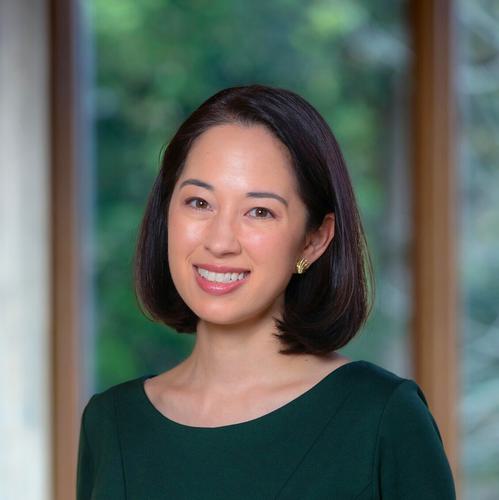
In her book, Some White Folks: The Interracial Politics of Sympathy, Suffering, and Solidarity (University of Chicago Press, 2024), Professor Jennifer Chudy uses survey research, experimental studies, participant observation, and long-form interviews to examine the origins and depths of racial sympathy and the conditions that give rise to its political expression. One of Chudy’s research assistants, Sasha Blachman ’21, conducted interviews with anti-racist activists for the book.
-

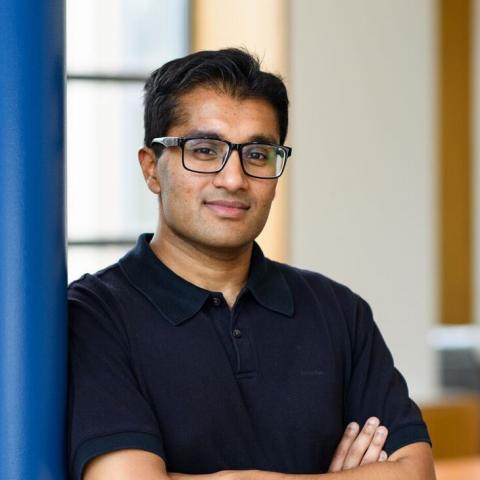
Professor Maneesh Arora worked with the Computer Science Department to create a lab, Computational Analysis for Political Science (CAPS), in which students work with faculty to collect and analyze online data. Students in this lab collected over 12 million tweets pertaining to Black Lives Matter and analyzed the data for presentations, including one titled “Visualizing and Characterizing Black Lives Matter Social Media Conversations.”
-

Professor Stacie Goddard researches international relations with a focus on international order and global power politics. Her most recent book, When Right Makes Might: Rising Powers and World Order (Cornell, 2018), asks why great powers allow the rise of some challengers but confront others.
-

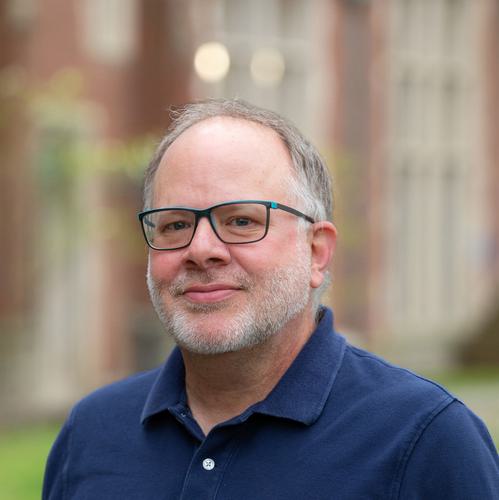
Professor Paul K. MacDonald’s work focuses on how powerful states create and sustain dominance in international politics. MacDonald co-authored Twilight of the Titans: Great Power Decline and Retrenchment (Cornell, 2018), which examines the range of behaviors of nations in decline, from 1870 to the modern period.
Opportunities
-
Political Science Majors Council
Elected by political science majors, members of the PSMC advise the faculty on curriculum, major requirements, and hiring. In addition to offering guidance to first-years and sophomores considering a major in political science, PSMC members help publicize departmental information and events.
-
Political Scientists of Color
PSOC’s mission is to build a more inclusive community for scholars of color at Wellesley College. PSOC provides a network of political scientists interested in creating and maintaining a supportive academic and professional environment at Wellesley regardless of race or ethnic background.
-
Wellesley-in-Washington
The Zoë Sarbanes Pappas ’66 Wellesley-in-Washington Internship Program has been bringing students to funded summer internships in Washington, D.C., since 1943. Interns work in government offices as well as public-interest groups, think tanks, political organizations, research centers, and scientific, medical, journalistic, and cultural institutions.
Beyond Wellesley
Beyond Wellesley
Many of our graduates earn law degrees and work as attorneys, but our majors work in a wide variety of fields. Some find jobs in government at the local, state, national, and international levels. Others work for advocacy organizations, think tanks, and interest groups, the media, and for finance and consulting firms. Recent employers include the U.S. Department of Justice, the Brattle Group, and the National Democratic Institute.
Recent Employers


106 Central Street
Wellesley, MA 02481