-

2025.07.08 Phillip Levine on endowment tax The Chronicle of Higher Education
Published:“Some even more punitive proposals were passed over, but this will still sting,” writes economist Phillip Levine for The Chronicle. "Yes, your head should be spinning trying to make sense of it all."
-
2025.07.07 Phillip Levine on college endowments The Nation
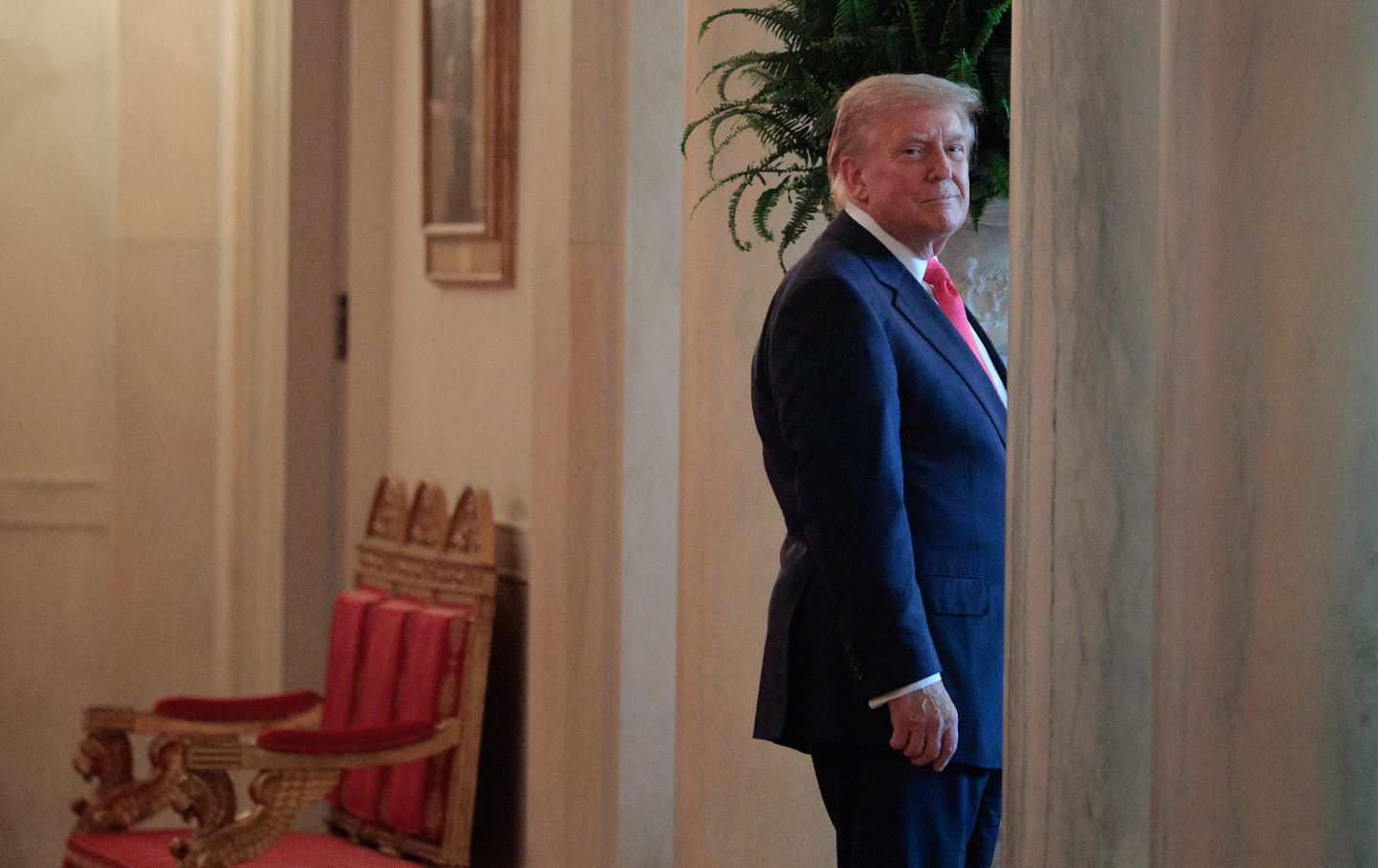
Published:“Highly endowed colleges are the least expensive college options for [low income] students,” economist Phillip Levine told The Nation. “They are able to do that because of their large endowments.”
-

2025.07.07 Kellie Carter Jackson on Trump's erasure of Black historical figures WBUR
Published:Since Trump’s inauguration, the government has scrubbed information about Black historical figures and other minorities from a number of its websites. Kellie Carter Jackson unpacks why.
-

2025.07.07 Phillip Levine on rapidly aging populations NPR
Published:Many countries now face a rapidly aging population that could begin to shrink. "There's just, relatively speaking, no children being born in South Korea," said economist Phillip Levine.
-

2025.07.05 Wellesley environmental researchers projections on bill The Independent
Published:According to projections from Wellesley environmental researchers, the bill threatens 4,500 clean energy projects, puts hundreds of thousands of jobs at risk, and could add billions to energy bills.
-

2025.07.03 Jasmine Guillory '97 open letter about AI NPR
Published:Novelist Jasmine Guillory ’97 along with more than 70 writers wrote an open letter about AI to literary publishers, demanding that publishing houses never release books that were created by machines.
-

2025.07.03 Paula Johnson on academic freedom WGBH
Published:Paula Johnson said that the idea of academic freedom goes back to 19th-century Berlin and the first modern research university. German intellectuals argued the pursuit of knowledge requires freedom.
-
2025.07.03 Katharine Lee Bates critique and celebration WBUR
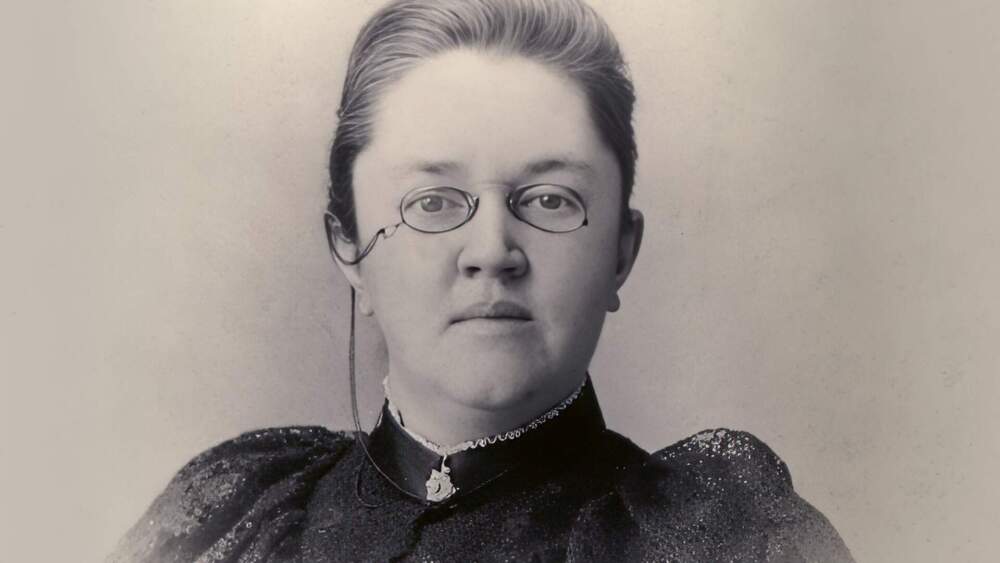
Published:“America the Beautiful” by poet Katharine Lee Bates, Wellesley College literature professor and class of 1880 alumna, is as much critique as celebration, writes documentary filmmaker John de Graaf.
-

2025.07.02 Jay Turner on bipartisan efforts in public lands protection Atmos
Published:Bipartisan pushback yielded a win for nature preservation. “There’s no question that the long history of public lands protection in the United States has been a bipartisan effort,” said Jay Turner.