Viewing 35 Results
-
The Cosmos YouTube channel shows astronomy professor Lamiya Mowla’s images of the Firefly Sparkle Galaxy
Published:The Cosmos YouTube channel uses astronomy professor Lamiya Mowla’s images of the Firefly Sparkle Galaxy in “5 Facts About the First Planet Ingredients After the Big Bang.”
-

Out-of-this-world work
CategoriesPublished:Molly Wasser ’09 communicates for NASA about asteroids, aliens, and the moon
-
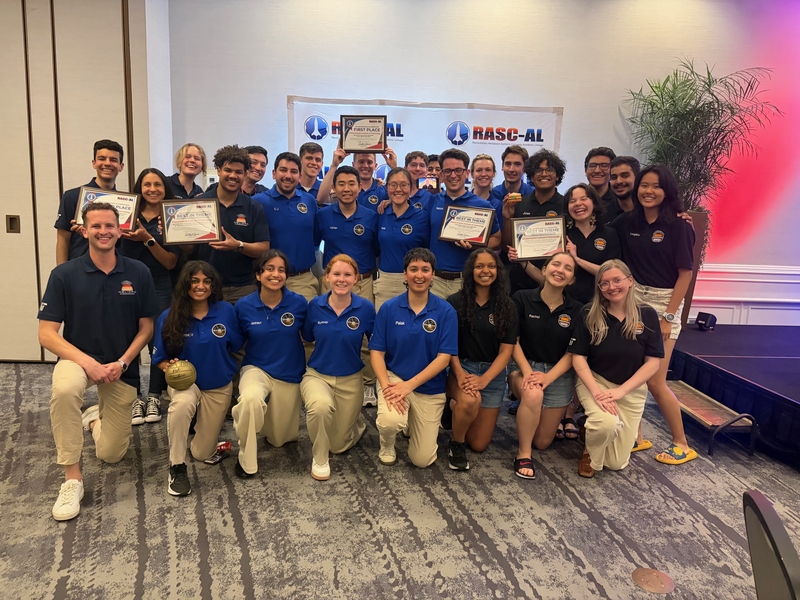
MIT and Wellesley students win top honors in NASA competition
Published:Three MIT teams comprising 35 students from eight departments and Wellesley took top awards in the NASA RASC-AL Competition for designing critical elements for the moon base and future Mars missions.
-
 Published:
For 125 years, Whitin Observatory has given Wellesley students a view like no other
-
 Published:
“Because I grew up in Dhaka, in Bangladesh, right in the middle of the smoggy, light-polluted city, I do not remember seeing any star,” says Lamiya Mowla ’13, assistant professor of astronomy. That changed when she arrived at Wellesley.
-
 Published:
Seven students and alums from Wellesley were selected for Fulbright awards for academic year 2024-25
-
 Published:
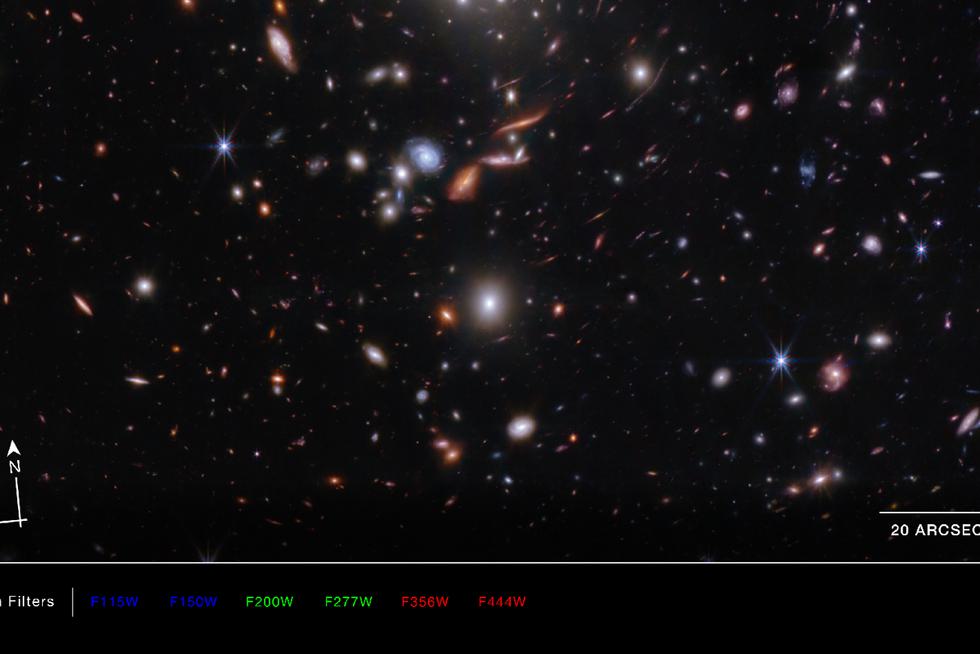
Stunning new photographs by a Wellesley College-led team of astronomers have revealed a newly forming galaxy that looks remarkably similar to a young Milky Way. The extraordinary images give us an unprecedented picture of what our own galaxy might have looked like when it was being born.
-

A cosmic question mark?
CategoriesPublished:A Wellesley College professor is among a team of researchers who’ve discovered a cosmic question mark that may yield answers about how stars are born in galaxies.
-
 Published:
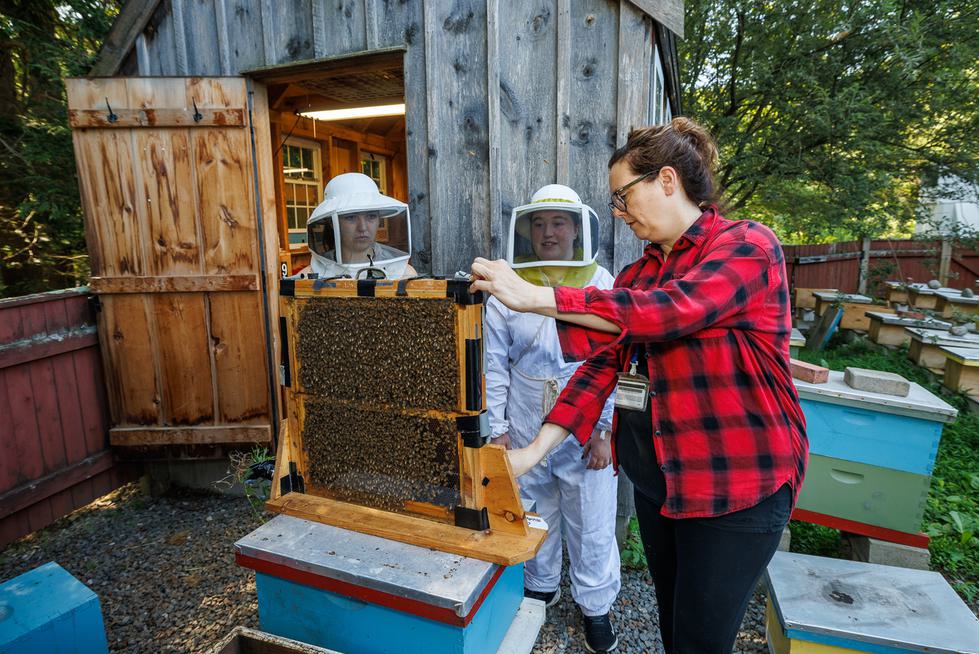
Program lets Wellesley student researchers work on projects alongside faculty.