Women’s and Gender Studies
Academic Department Introduction
We explore gender and its intersections with other relations of power, such as race, social class, sexuality, nationality, age, dis/ability, and ethnicity. These forces shape the individual and collective lives of people across diverse cultures and times, and provide contexts for analyzing the worlds in which we live.
Our curriculum and faculty research reflect the vibrant contours of global feminisms today. We cover a variety of theoretical and empirical scholarship such as feminist theory; queer and trans studies; anticarceral/abolition feminisms; Indigenous and transnational feminisms; media studies; science and technology studies; critical animal studies; critical health studies; environmental and reproductive justice and their intersections; and feminist activism within disciplinary and interdisciplinary frameworks.
Learning goals
- Interrogate how sex, gender, sexuality, race, dis/ability, and nation have been historically constructed, unsettled, and contested as social identities and systems of power.
- Examine the potent material and political implications of social identities.
- Apply an intersectional lens of race, class, gender, ethnicity, and sexuality to recognize the interlocking systems of privilege, oppression, and opportunity.
- Deploy gender as a category of intersectional analysis in written and oral communication.
- Cultivate a transnational awareness about shifting frames in global geopolitics.
- Demonstrate knowledge of the history of activism and the complexities of social change.
Programs of Study
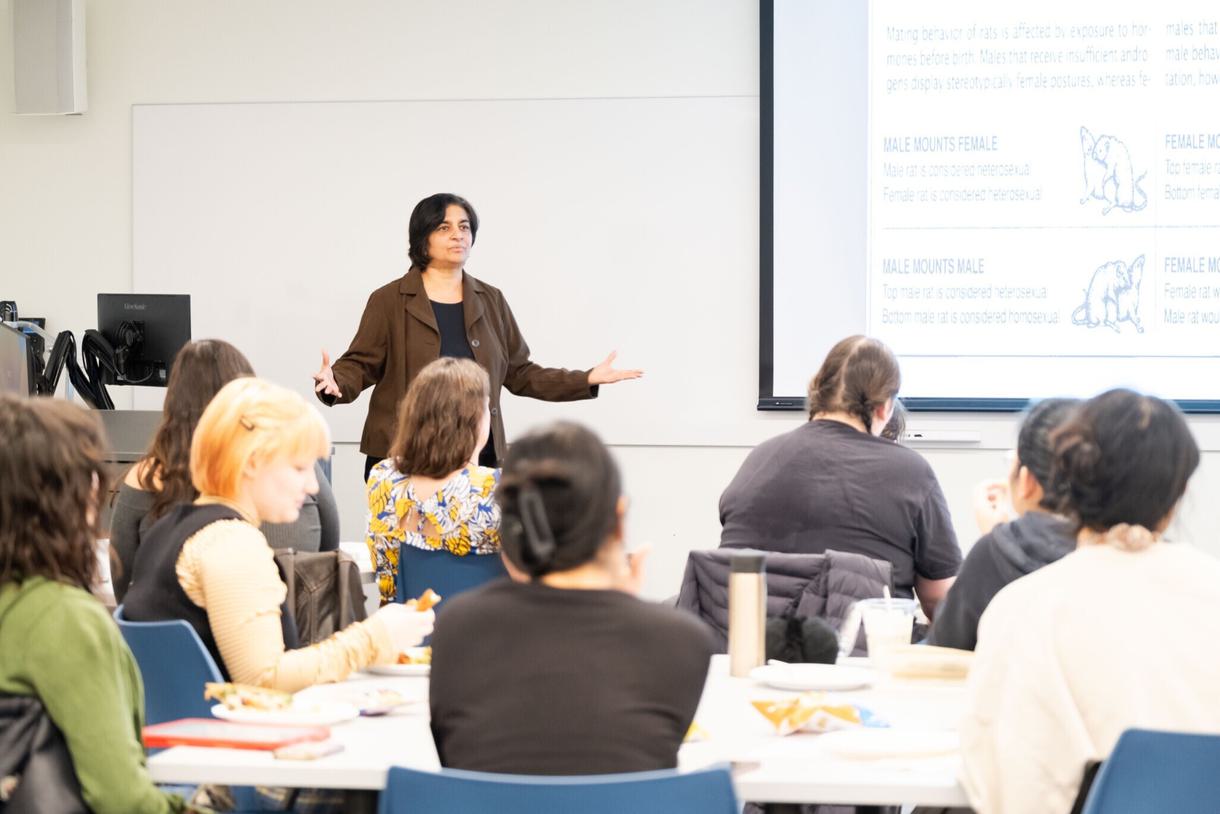
Women’s and gender studies major and minor
Students explore how structural changes and historical moments intersect with individual lives. Each major chooses one of the following concentrations, taking at least four courses in that area:
1. Representations, media, and race
2. Feminist science, health, and reproductive justice
3. Labor, families, and the state
4. Transnational feminism(s), global context





Course highlights
US Public Health: Theory and Practice
WGST340
Four decades ago, the Institutes of Medicine defined public health as "what we as a society do collectively to assure the conditions in which people can be healthy." Some in U.S. public health understand the field to be historically rooted in a commitment to social equality, and in recent years have been leading a movement in epidemiology to examine the social, economic, and political inequities that create disparate health and disease patterns by gender, class, race, sexual identity, citizenship, etc., and in practice to pursue health equity. Yet these commitments do not exist without tension. This broad-ranging course examines the context and key debates shaping the knowledge, laws, ethics, and practice of public health in the U.S.
(PEAC 340 and WGST 340 are cross-listed courses.)-
Seminar: Crossing the Border(s): Narratives of Transgression
WGST326
This course examines literature that challenges the construction of borders, be they physical, ideological, or metaphoric. The theorizing of the border, as more than just a material construct used to demarcate national boundaries, has had a profound impact on the ways in which Chicana/Latinas have written about the issue of identity and subject formation. We will examine how the roles of women are constructed to benefit racial and gender hierarchies through the policing of borders and behaviors. In refusing to conform to gender roles or hegemonic ideas about race or sexuality, the Chicana and Latina writers being discussed in the course illustrate the necessity of crossing the constructed boundaries of identity being imposed by the community and the greater national culture. (AMST 326 and WGST 326 are cross-listed courses.) -
Seminar: Feminist Critical Animal Studies: Humans and Horses
WGST343
Equine cultural studies has become one of the most exciting fields to emerge out of Critical Animal Studies for how it looks at the intersection of humans and horses across histories, cultures, and the humanities. This seminar will provide an introduction to Equine Cultural Studies through the lens of feminist studies in its focus on the boundaries between horses and humans. Some of the questions we explore include: Did Anna Sewell’s Black Beauty (1877) inspire the Massachusetts Society for the Prevention Against Cruelty to Animals as well as the backlash against Victorian women’s corsets? Is there a feminist way to ride a horse? How does feminist thought offer a unique interrogation of race, flesh, and femaleness that sheds new light on equine studies? How has the horse been an integral partner in therapeutic healing in both Native and Indigenous communities as well as in non-Native communities? (ES 343 and WGST 343 are cross-listed courses.)
Places and spaces
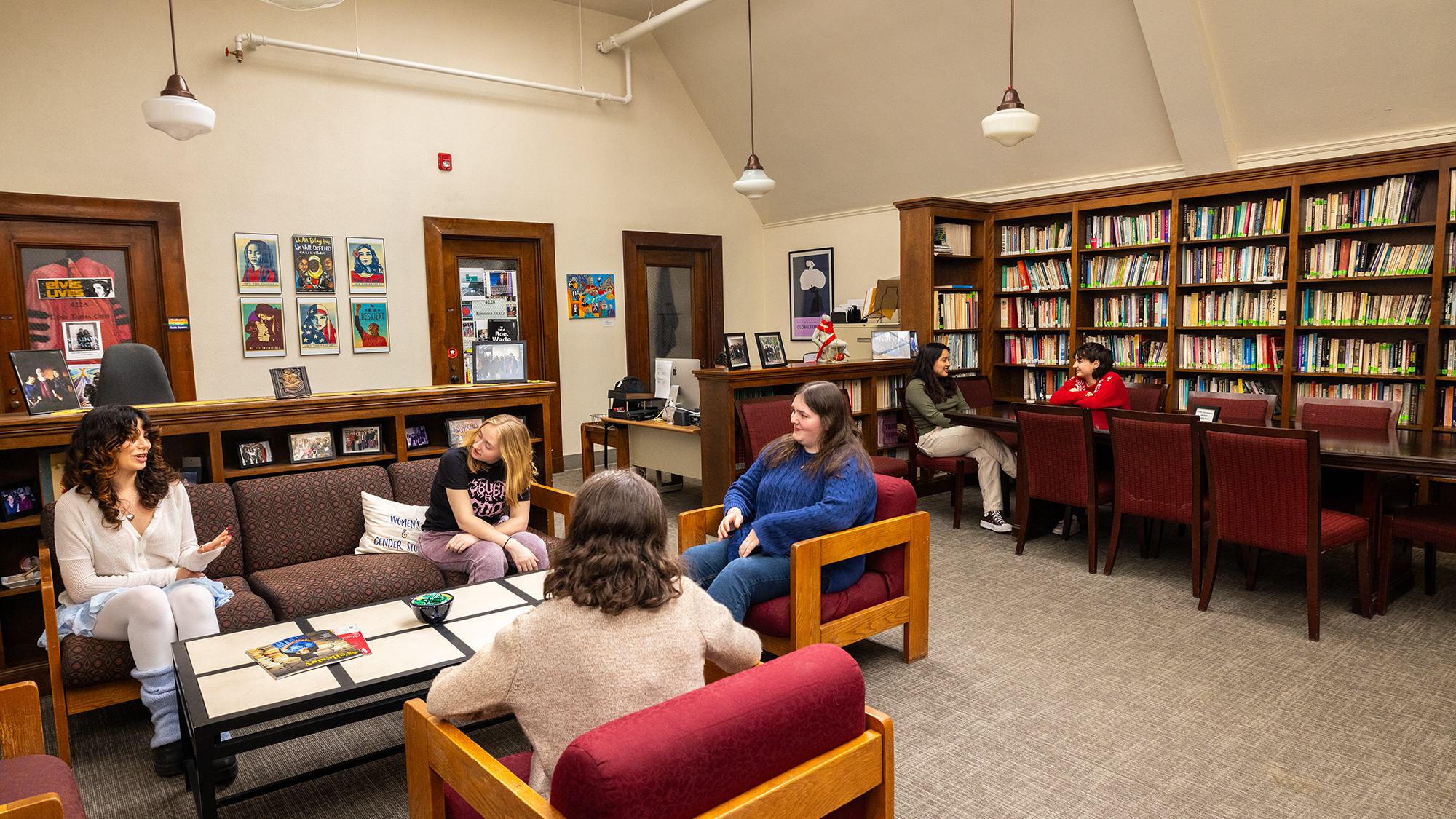
We have an accessible and welcoming lounge for department-sponsored events and informal student gatherings.
Research highlights
-
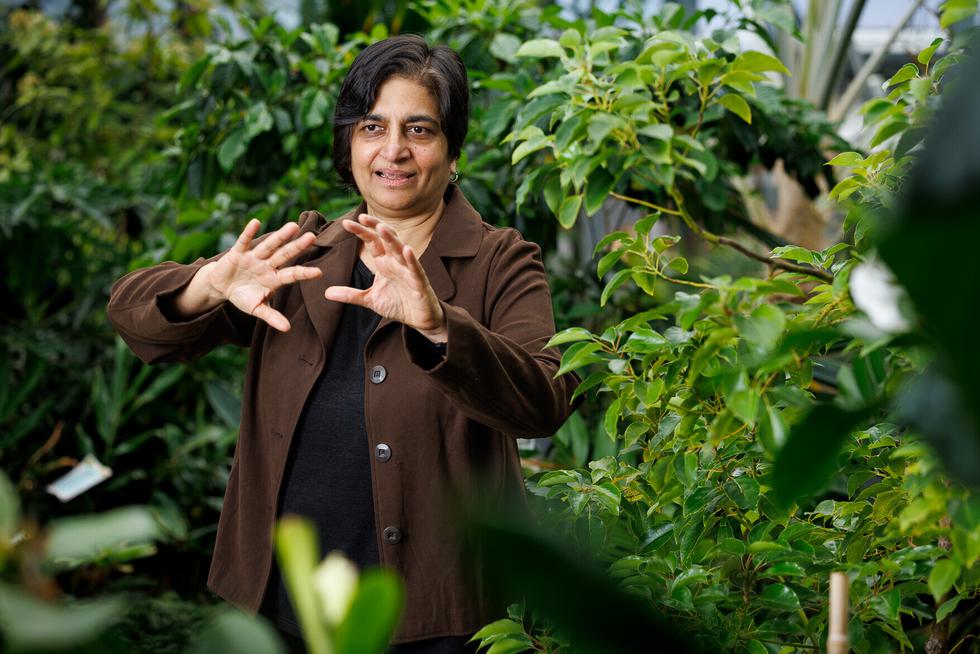
Professor Banu Subramaniam’s new book, Botany of Empire: Plant Worlds and the Scientific Legacies of Colonialism (University of Washington Press, 2024), examines how the plant sciences and botany have been profoundly shaped by empire, and how those histories live on in our study of plant worlds today.
-
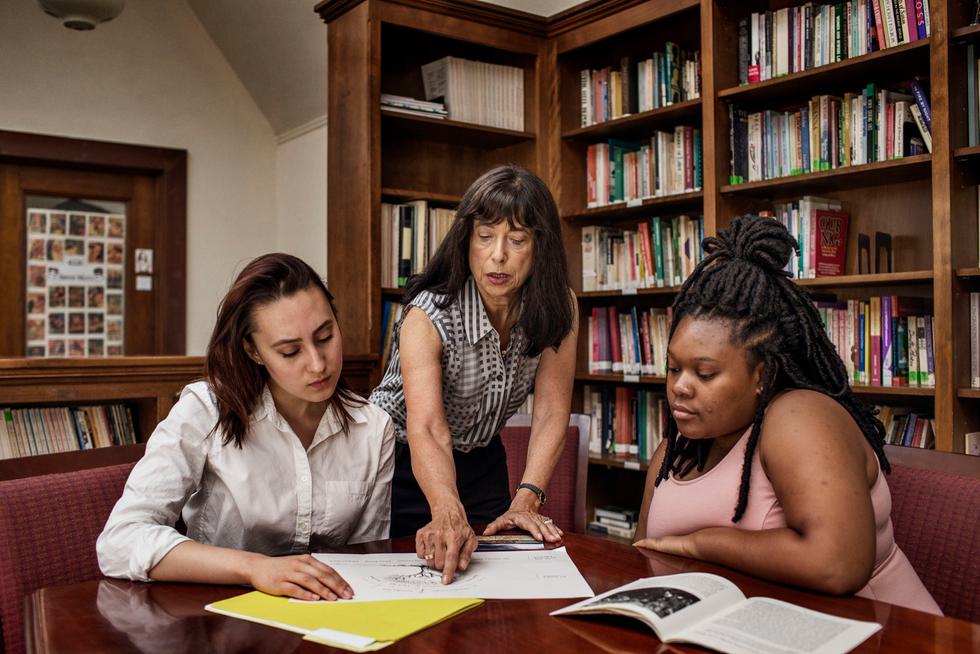
Professor Rosanna Hertz conducted research on single mothers’ experiences during the COVID-19 pandemic and co-authored an article about her findings in the 2021 issue of Journal of Family Issues. Her latest co-authored book is Random Families: Genetic Strangers, Sperm Donor Siblings, and the Creation of New Kin (Oxford University Press, 2019).
-
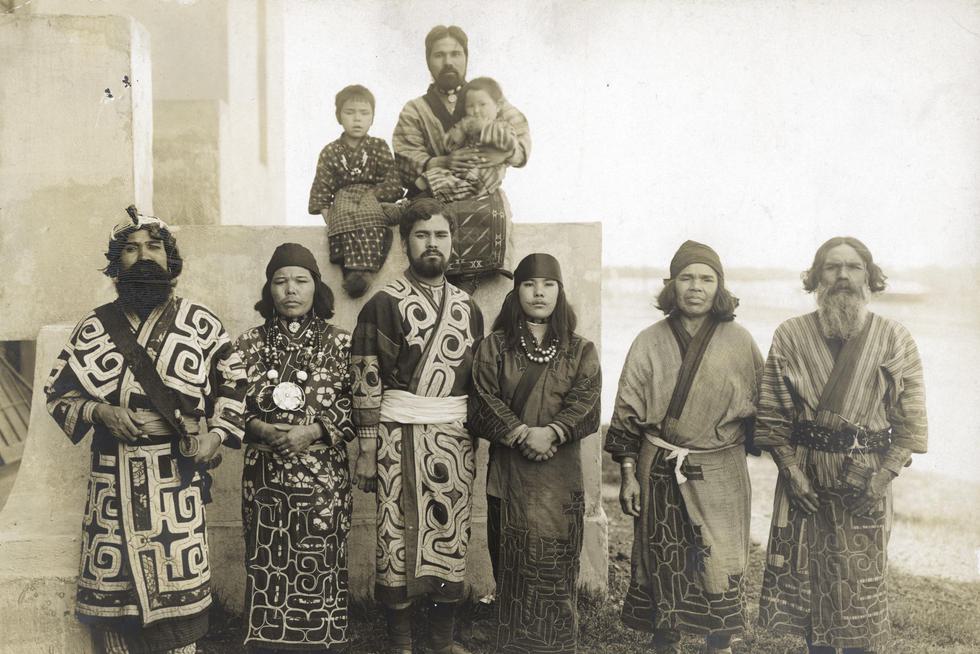
In Professor Elena Creef’s book Shadow Traces: Seeing Japanese/American and Ainu Women in Photographic Archives (University of Illinois Press, 2022), she examines little-known visual archives of four historical groups of Asian women. She also follows the augmented reality work of Japanese artist Masaki Fujihata and his digital simulation of the WWII Japanese American evacuation, BeHere/1942.
-
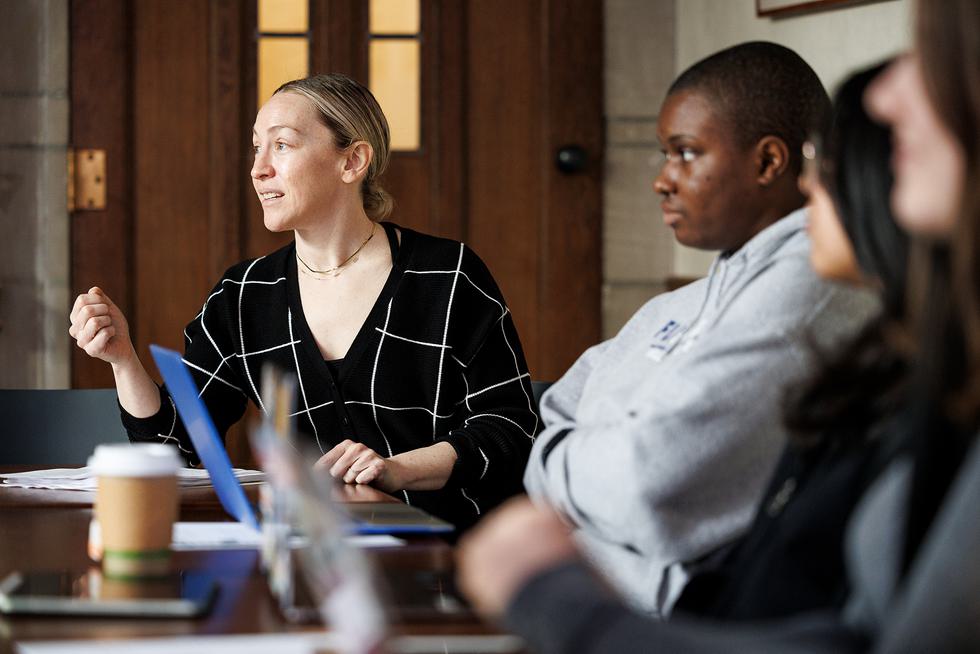
Professor Jennifer Musto’s 2022 article “The Afterlife of Decriminalisation” explores the harms of reforms billed as trauma-informed alternatives to punishment. As co-facilitator of the Anti-Carceral Co+Laboratory (ACC) with Laura Grattan, professor of political science, she organized “Dreaming Abolition, Co-Creating Abolitionist Knowledge in Greater Boston,” a convening to explore how scholar-activists and organizers can reimagine freedom, justice, safety, and education beyond prisons.
Opportunities
We work closely with students to identify opportunities that will deepen their experience within our department.
-
WGST Leadership Council
Majors and minors selected to join the WGST Leadership Council engage in student outreach and offer strategic advice and leadership in shaping departmental programming.
-
WGST tutor program
As tutors providing peer support to students enrolled in WGST courses, WGST majors and minors have a vital opportunity to translate their understanding of gender and sexuality studies and apply their critical thinking, writing, and editorial skills.
Beyond Wellesley
Beyond Wellesley
Our graduates are thought leaders, policy innovators, entrepreneurs, writers, artists, and healers. Many devote their careers to confronting the most pressing issues of our time. They work in a range of fields, including health care, education, law, and the nonprofit sector. Employers of recent WGST graduates include United We Dream, Google, Accenture, the National Academy for State Health Policy, and Planned Parenthood.
Recent Employers




106 Central Street
Wellesley, MA 02481