Peace & Justice Studies
Academic Program Introduction
The Peace & Justice Studies Program combines conflict analysis with the study of strategies for promoting peace and justice. The program looks at past and present efforts to reduce violence, end conflict, build peace, and achieve justice. The major involves coursework, research, and co-curricular activities. The program’s areas of focus include human rights, grassroots organizing, environmental justice, international and intranational conflict and peacemaking, and inequities of race, class, and gender.
Learning goals
Apply general theories of conflict and conflict transformation to specific cases, regions, and issues.
Practice theories of social justice, peace, and conflict transformation in the outside world, through internships, externships, field study, and the cultivation of intelligent compassion and a sense of justice.
Make ethical decisions based upon critical thinking, empathy, and responsibility.
Programs of study

Peace and justice studies major and minor
Students examine the nature and sources of large-scale as well as small-scale violence, conflict, conflict transformation, and perspectives about peace and justice.








Course highlights
Introduction to the Study of Conflict, Justice, and Peace
PEAC104
An interdisciplinary introduction to the study of conflict, justice, and peace. The course engages students in developing an analytical and theoretical framework for examining the dynamics of conflict, violence, and injustice and the strategies that have been employed to attain peace and justice, including balance of power, cooperation, diplomacy and conflict resolution, law, human rights, social movements, social justice (economic, environmental, and race/class/gender), interpersonal communication, and religiously inspired social transformation.
-
Representing War
ENG277-2
As author Viet Thanh Nguyen notes, “All wars are fought twice, the first time on the battlefield, the second time in memory.” The ways armed conflicts are represented play a determining factor not only our collective memory of them, but also in the way we conduct ourselves. This course will explore a range of approaches to representing war in the twentieth century. Among the questions we will ask are: When does war begin, and when does it end? At what distance do we sense war, and at what scale does it become legible? What are the stakes of writing, filming, or recording war, or for that matter, studying its representations? We will address these issues through units on violence, trauma, apocalypse, mourning, repair, visuality, and speed. Texts will include novels, short stories, poetry, graphic novels, films, journalism, and theory. (ENG 277 and PEAC 277 are cross-listed courses.)
Research highlights
-

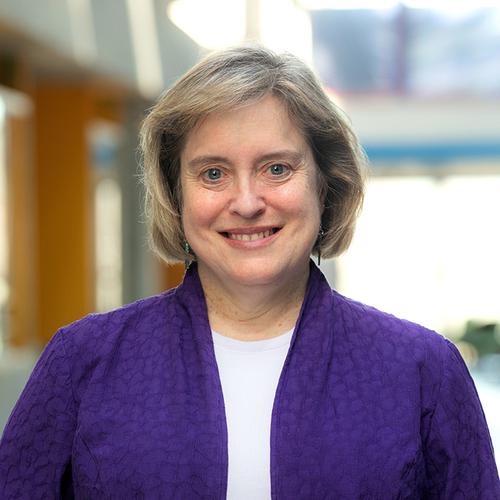
Professor Catia Confortini is a scholar-activist focusing on the contributions of feminist organizing to the theory and practice of peace. Confortini’s latest book, The Handbook of Feminist Peace Research (Routledge, 2021; co-edited with Tarja Väyrynen, Swati Parashar, and Élise Féron), provides a comprehensive overview of feminist approaches to questions of violence, justice, and peace.
-

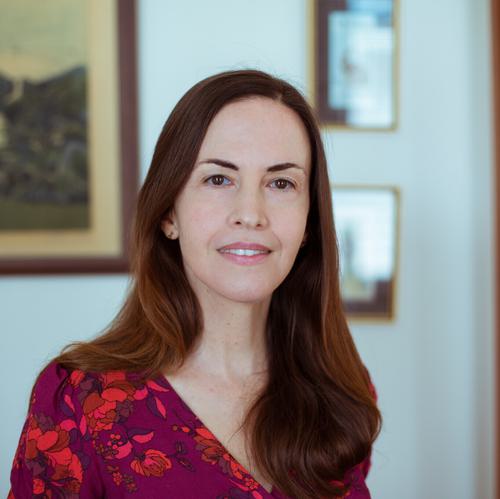
Professor Nadya Hajj’s latest book, Networked Refugees: Palestinian Reciprocity and Remittances in the Digital Age (UC Berkeley, 2021), draws upon surveys with Palestinians in the diaspora and inside Lebanon’s Nahr al-Bared refugee camp to examine how online organizing can effectively solve dilemmas such as raising funds for funeral services or securing necessary goods and services.
Opportunities
-
Emily Greene Balch Class of 1950 Summer Scholarship
Awarded to a student for an internship focused on the relationships between injustice and conflict or between peace, justice, and social change. Recipients have worked with housing justice organizations, childhood food insecurity programs, and many others.
-
Kathleen Dandy Gladstone Scholarship in Climate Crisis Solutions
This summer scholarship supports a student with an internship focusing on the effects of climate change policy on historically underserved communities in the United States. Scholarships have been awarded to students working for the Sierra Club in Minnesota and the Eurasia Foundation in Almaty, Kazakhstan.
Beyond Wellesley
Beyond Wellesley
Upon graduation our students find gainful employment, attend graduate schools, and take on service or government work in fields related or adjacent to the study of peace and justice. Many of our grads earn law degrees, and many work in the nonprofit sector. Recent employers include the U.S. House of Representatives, the American Bar Association, and Bank of America.
Recent Employers


Alum profiles
-
Olivia Feldman ’22
Olivia Feldman ’22
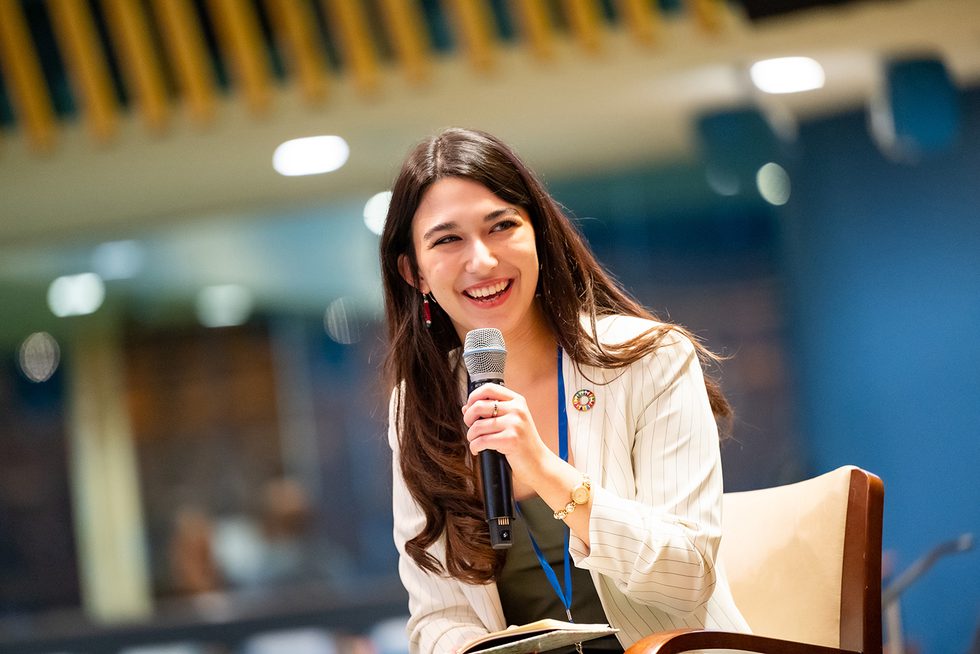
With funding from the Emily Greene Balch ’50 Scholarship, Olivia Feldman ’22 managed communications at Justice 4 Housing, a nonprofit founded and run by formerly incarcerated women that aims to end housing discrimination. After her internship, Feldman stayed on as director of communications, handling social media and managing a team of interns who designed and executed a successful media campaign.
-
Sophia Pechaty ’22
Sophia Pechaty ’22
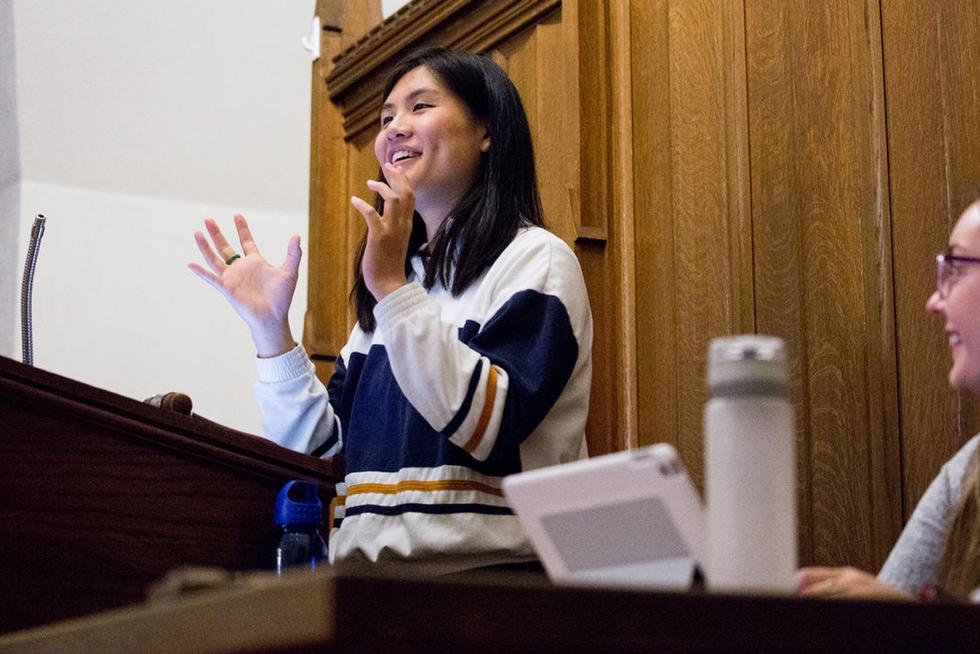
Sophia Pechaty ’22 used the Kathleen Dandy Gladstone ’50 Scholarship to continue working with the Sierra Club North Star Chapter in Minnesota. Holding various roles on the Stop Line 3 team, Pechaty joined the ultimately unsuccessful effort to block construction of Line 3, a tar-sands pipeline that crosses 200 bodies of water and violates treaties between the U.S. government and the Anishinaabe people. After her internship, Pechaty stayed on as communications lead.

106 Central Street
Wellesley, MA 02481